Saint Assicus: A Bishop, An Artisan, And The Burden of Humility
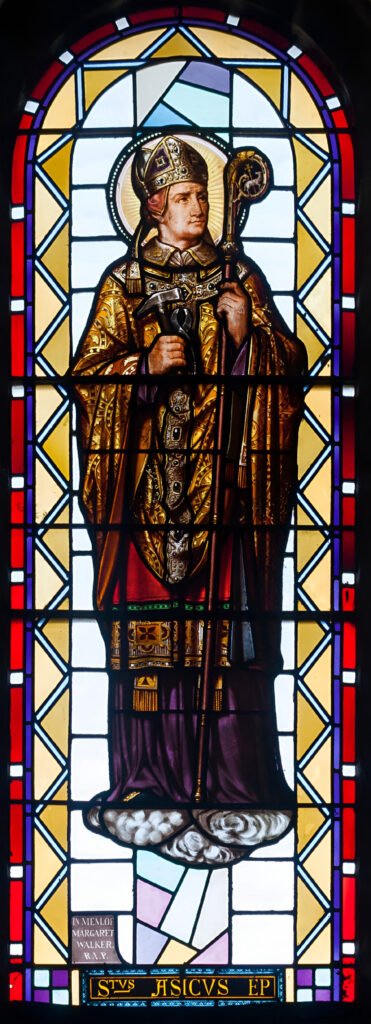
St. Assicus – 10th May
Saint Assicus (also known as Asicus) is often confused with Saint Tassach—given their similar skills, names, and also by the fact they both died in the same year: 490 AD.
Patrick’s Skilled Collaborator and First Bishop of Elphin
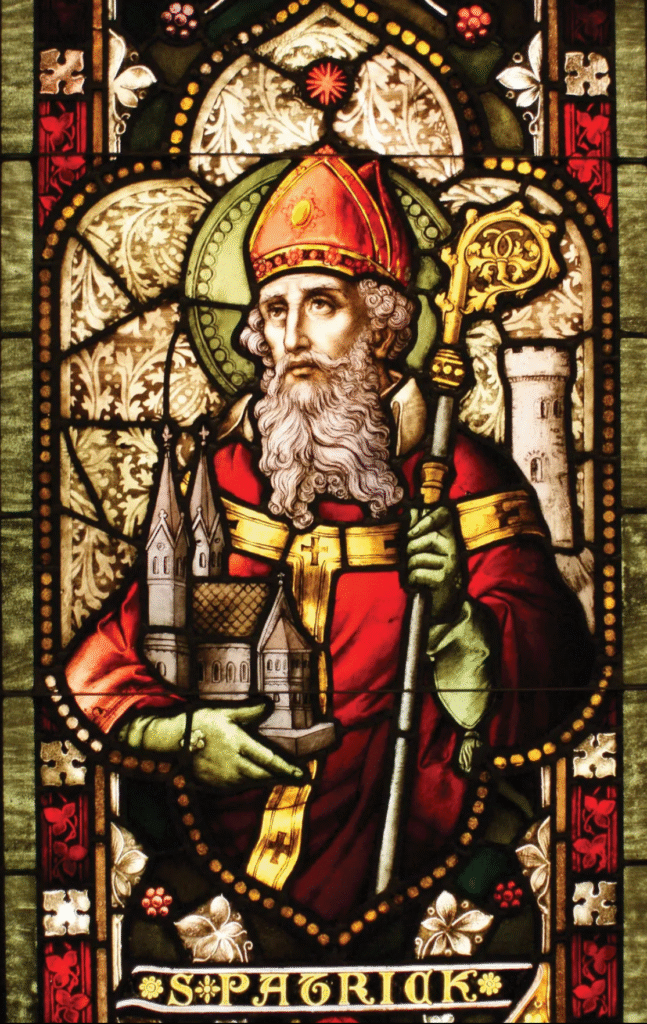
Saint Assicus was a close companion and friend of Saint Patrick and one of his earliest converts to Christianity. Beyond his spiritual devotion, Assicus was renowned as an extraordinarily skilled metalworker in brass and copper, and even an “iron worker” for Patrick. Much like St. Tassach he used his skills as a craftsman to labour hard and glorify God. Many of his creations were used to furnish the churches built by St. Patrick.
It was at Elphin that Saint Patrick built a church, “Tempull Phadruig” (Patrick’s Church), and established one of his very first episcopal monasteries. He appointed Assicus as its first abbot-bishop, a significant testament to the trust and esteem Patrick held for him.
A Master Craftsman for God’s Glory
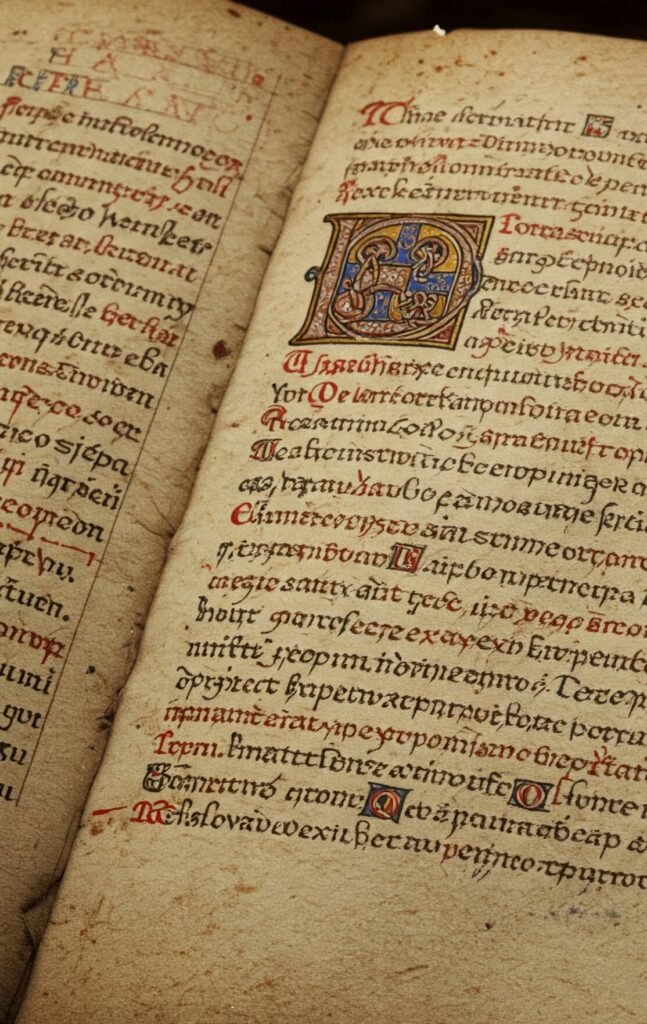
Under the ancient Brehon Law, craftsmen held a place of high respect in Ireland, and Saint Assicus was certainly among the most esteemed. The “Book of Armagh” describes him as the cerd (the wright or goldsmith) of Saint Patrick.
He would have painstakingly created: chalices, patens, and metal book-covers for the newly founded churches. The “Tripartite Life of St. Patrick” even notes:
“Bishop St. Assic was Patrick’s coppersmith, and made altars, tables, and square bookcases. Besides, he made our saint’s patens in honour of Bishop Patrick, and of them I have seen three square patens, that is, a paten in the Church of Patrick in Armagh, and another in the Church of Elphin, and a third in the great-church of Donough-patrick (at Carns near Tulsk).”
The Burden of Humility and a Hermit’s Retreat
Yet, despite his immense talents and high office, Saint Assicus was a man deeply troubled by his own perceived unworthiness. This is perhaps the most poignant aspect of his life. Convinced he was not worthy of the episcopal office, he made a drastic decision: he fled from Elphin to Rathlin O’Birne Island in Donegal Bay, resigned his rank, and became a hermit. He even lived for a time high up on Sliabh Liag (Slieve League), along an area known as The Pilgrim’s Way. This area of Ireland has very cold weather, almost year round. The soil is not good for growing much, the rain is almost constant in winter with powerful and howling winds that make it difficult to walk! It was here, that St. Assicus practised his asceticism.
For seven years, he lived in solitary contemplation in the wilderness, seeking solace from the very honor that weighed so heavily on him. Eventually, the monks of Elphin, after much searching and labor, found him in the mountain glens. They pleaded with him to return to his monastery.
A Saint’s Humble Repose
Archbishop Healy offers a vivid and moving account of Saint Assicus’s last days:
“But he fell sick by the way and died with them in the wilderness. So they buried the venerable old man in the churchyard of Rath Cunga, now Racoon, in the Barony of Tirhugh, County Donegal. The old churchyard is there still, though now disused, on the summit of a round hillock close to the left of the road from Ballyshannon to Donegal, about a mile to the south of the village of Ballintra… He fled from men during life, and, like Moses, his grave is hidden from them in death.”
His grave, now a quiet, disused churchyard, can still be found today near the village of Ballintra, between Ballyshannon and Donegal Town. It’s a humble resting place for a humble saint, reflecting his desire to escape worldly honors.
Lessons from Saint Assicus
Saint Assicus’s life speaks volumes about:
Humility in Leadership: Even with immense talent and a high calling, he wrestled with unworthiness, reminding us to constantly examine our hearts.
The Struggle for Solitude: His seven years as a hermit highlight the profound human need for spiritual retreat and communion with God.
Devoting Our Gifts: Assicus shows us that every skill can be a divine offering.
His story is a powerful reminder that spiritual journeys are often complex, marked by both great service and deep personal struggles. He teaches us that even in our perceived weaknesses or desires for solitude, Christ can still be glorified.
Troparion of St Assicus
Tone 4 Thou didst glorify God both by preaching the Word and by thy coppersmith’s skill, O glorious Father Asic. Thou wast abbot and bishop and didst die a hermit. Pray to Christ our God that we may find grace to devote our gifts and skills to His service.